Saturday, 26 April 2014

Grade 2 Science


In Science this year we have studied many interesting topics, and have a few still to cover. We have learned about -
Growth and Change in Animals
Properties of Liquids and Solids   (partially covered)
Air and Water in the Environment,
and will be learning about
Movement (Simple Machines and Mechanisms).

The following websites have educational resources - videos, interactive games, and other multi-media information about many of the topics we have, or will, cover in Science this year. I suggest students review/learn about only one topic at a time, then write the date, title, and three things (or more) they learned from the resource. (Writing or drawing about what you are learning, helps you to understand and consolidate that learning so that it becomes a part of your background knowledge. This knowledge can be used to help you understand other information and make connections between all sorts of situations and events in your life.) Students could also write down any questions the resource brought to mind, and then research these questions on the internet to further develop their researching skills and understanding of the topic.
My purpose for suggesting these sites is not to have my students whip through the resources in a superficial manner, but actually develop meaningful learning skills where information is processed and thought about, not merely glanced at, or sampled, and then considered understood without any further thinking or questioning.
Enjoy reviewing and learning more about Grade 2 Science by clicking here for Link to Learning, and here for Simple and Compound Machines.

Friday, 18 April 2014

Celebrations in April

Social Studies

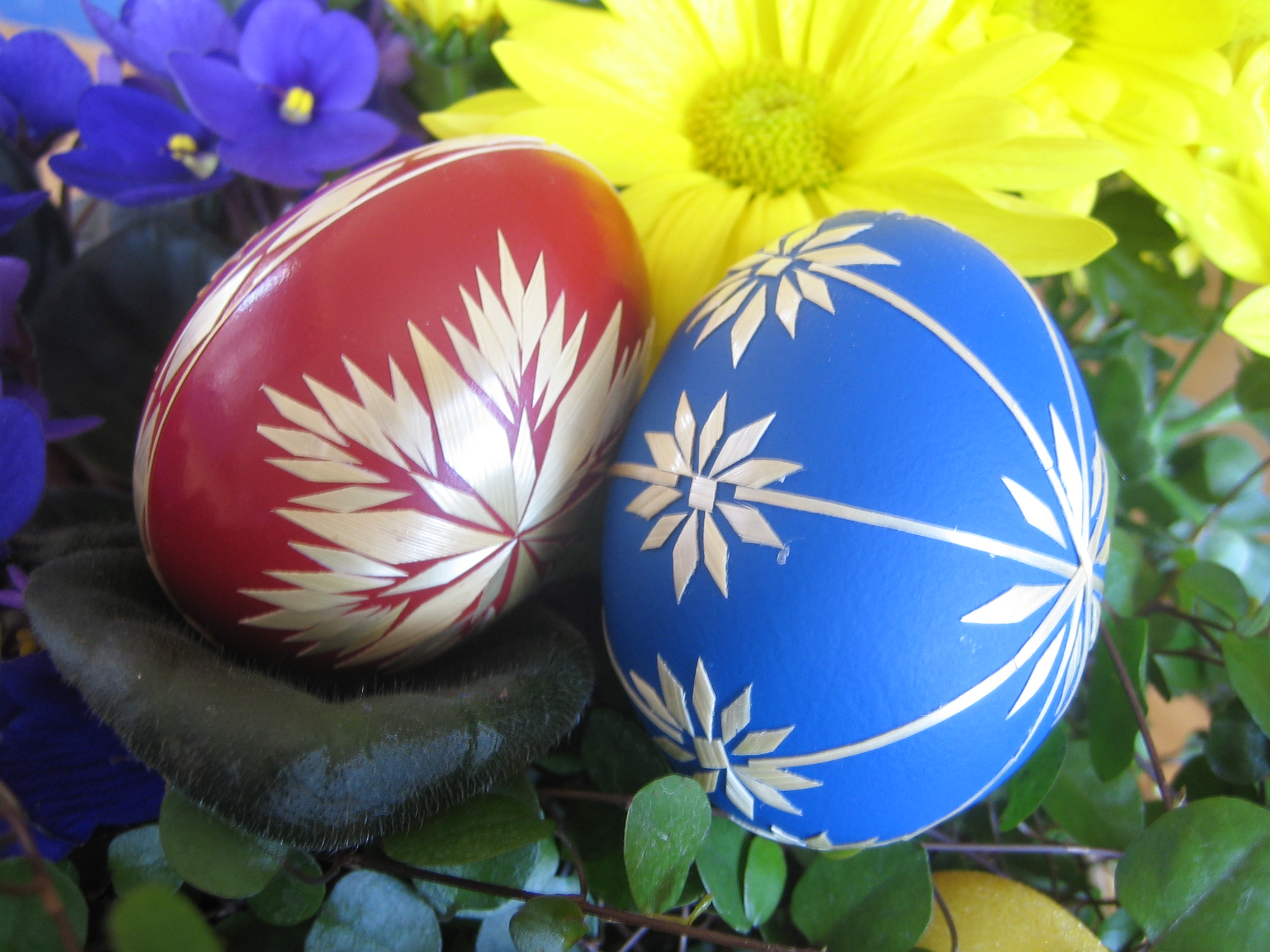
In April this year, Christians celebrate Easter, and Jewish people celebrate Passover. At school, we have discussed and learned about the traditions associated with these celebrations. We have also discussed how Easter is linked to Spring and the beginning of new life in the animal and the plant kingdoms. The egg is a symbol of Easter and a symbol of new life, so at school we learned how to decorate eggs with wax designs and food colour. We also learned about the Ukrainian practice of making Pysanky Eggs. Pysanky Eggs are beautiful with many intricate designs on them. The links below outline various interesting ways to decorate eggs for Easter. Parents, you may wish to try one of these methods with your children as a holiday activity. All children love doing art activities. The videos suggest using beeswax, but the wax from ordinary candles (small birthday candles) works as well. (Ask your son or daughter how we decorated eggs at school. Our method did not need us to melt the wax, but we did need warm water.) Food colour is available at any supermarket, and white eggs show up the food colour dyes the best. Some vinegar in the colour mixture makes the colour brighter on the eggs. Have fun decorating eggs!
This link describes Pysanky and the history of this practice.* Easter Eggs by Father Paul
*Painting Eggs The Pysanky Drop and Pull Way
*Egg Dyeing with Lace
*Rubber Band Easter Eggs   
Pysanky Eggs


Sunday, 23 March 2014

A Great Site For Parents

Here is a wonderful site for parents who would like to continue their education. Coursera is a site that offers FREE, online courses from various universties around the world. This education platform provides access to world-class education, in many languages. This is educational equity! Check it out! You may be inspired to learn something new, improve your knowledge about an area of interest, or study something that helps you to further your career or enrich your life. Click here for the link.

Monday, 17 March 2014


       Keyboard Practice  


As you will be using computers for writing as well as researching, you will need to improve your keyboarding skills. The site below helps you learn where the letters are on the keyboard, and increase your typing speed. This will make it easier for you to write stories and others texts on the computer. Try to work through the levels, and go back and practise as many times as you like.


Click here to go to the site.

Friday, 7 March 2014

             New Year Celebrations - Social Studies        
                                                 New Year in India - Vaisakhi / Ugahi / Vishu (March 15-April 15)

Part of our Social Studies curriculum is an ongoing study of Traditions and Celebrations in Canada and around the world. As there are many cultural groups in Canada, learning about other communities and their various traditions increases students' understanding of other cultures. They see that although people are the same in many ways, their traditions and cultures can be very different and interesting.

As we celebrated Chinese New Year at school, we also studied the New Year traditions of some other cultures. Groups of students researched various celebrations and traditions, and then presented their information to the class in the form of a group poster.

Below, you will see the four posters the students collaborated on and the criteria for the project.

                                 The criteria the students focused on while making their posters.

                                      Chinese (Lunar) New Year - Nian (Festival of the Year)

                                      Jewish New Year  - Rosh Hashanah (Head of the Year)

                                       Persian (Iranian) New Year - NoRuz (New Day)

                                       Japanese New Year - Oshogatsu (New Year's holidays)


The students all individually assessed various cooperative learning skills that they observed during the times their group worked together. Every group found that they still need to work on cooperating with each other - an essential skill for all students. We will continue to address this skill in class.

Next, during the group presentations, students used a checklist to assess the posters and presentations of their peers. Every group met the poster criteria - some with more success than others. As a result, one poster was rated at  Level 4-, another at 3+, and two at 3. This assessment piece really helped students to examine the posters closely, and see where they could make improvements on their next project.

Friday, 28 February 2014

     February In Forest Valley - Liquids & Solids


In conjunction with our Liquids and Solids Unit in Science, our class went to Forest Valley on a beautiful winter day in February. There was lots of fluffy, white snow just perfect for studying water in its solid form. Rich, was our teacher, and he was both funny and knowledgable. We learned about how animals survive the winter by conducting an experiment, found liquids and solids in the environment, tried to build snow structures, made pinecone feeders for our feathered friends, drank hot chocolate, and took part in a new activity for some of the students, tubing. Many students were nervous before they slid down the hill sitting in an inflated rubber inner tube, but everyone loved it and wanted more than the two rides they were allowed.

                                              Rich telling us about our schedule for the day.

                                        Hiking through the woods looking for liquids and solids.

                                           Trying to build snow structures with fluffy snow!
                                            Feeding the birds with our pinecone bird feeders.
                                              Being too noisy and scaring the birds away!
The birds did eventually come. We saw a beautiful cardinal, and many Black-capped Chickadees.

The students had a wonderful time and learned a lot. This was evident in their journal entries, which were written enthusiastically and with great detail upon our return to school. Thanks Forest Valley!

Thursday, 13 February 2014

Sight Words


Sight words are words children recognize and read immediately with no need to sound them out or decode them.

Practise your sight words to improve your reading fluency.

Click here to play a sight word game called, Popcorn Words.
There are 3 levels to play through.

Also, don't forget to practise our sight words lists in
Spelling City.