Showing posts with label Social Studies. Show all posts

Monday, 11 January 2016

Early Canadian Communities - Early Settlers

Early Settlers in Canada


We have been learning about early communities in Canada. We have learned and talked about the First Nations Peoples and the Inuit People of Canada.

We will now be learning about the early settlers. The following website provides lots of information about early settlers or pioneers. See what you can discover about the way they lived, what their challenges were, and how they affected the lives of First Nations and Inuit Peoples.
Click here to read about pioneers.

The following site has various links to other sites where you can further research pioneers and their way of life. Click here to find the sites. Try the Great Upper Canada Pioneer Adventure. You will have to make decisions about various problems and situations just like the pioneers did!

Saturday, 28 November 2015

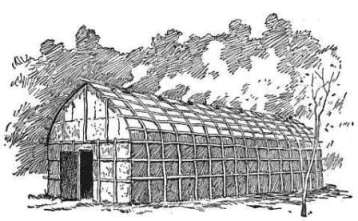
Native Homes


Below you will find links to view videos about various peoples and their homes. Native homes, similar to those in Canada, were also in the United States.
 
People of the Longhouse   click here

People of the Woodlands  click here

What types of Houses Did Native Americans Live In During Colonial Times?  click here

How to Build A Teepee (Tipi) click here   (Present-day people try to build a tipi.)

Monday, 16 November 2015

Social Studies


Communities in Canada  1780 - 1850

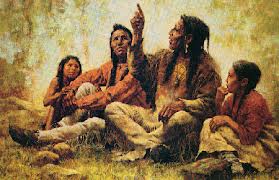
We are starting to learn about various communities that existed in Canada between 1780 and 1850. We will be learning about the Aboriginal people of Canada, including First Nations, and Inuit people. First Nations and Inuit people are considered to be the First Peoples of Canada. We will also be learning about the Metis people and European settlers. 

The following website has an abundance of information about the First Nations people. We will be reading from this site and discussing what we discover. My students are encouraged to read and research from this site and share their findings with the class. Click here to read about First Nations and Inuit people.

Monday, 2 November 2015

                  Remembrance Day                  November 11th


In Flanders Fields is a famous poem written in 1915 by John McCrae, a Canadian military doctor. We read this poem every Remembrance Day, and try to understand the picture John McCrae paints with his words.

                Please click on the link below so that you can practice reading this poem fluently.

                  Try reading along with the presenter.You need to practice the poem many times.

Friday, 18 April 2014

Celebrations in April

Social Studies

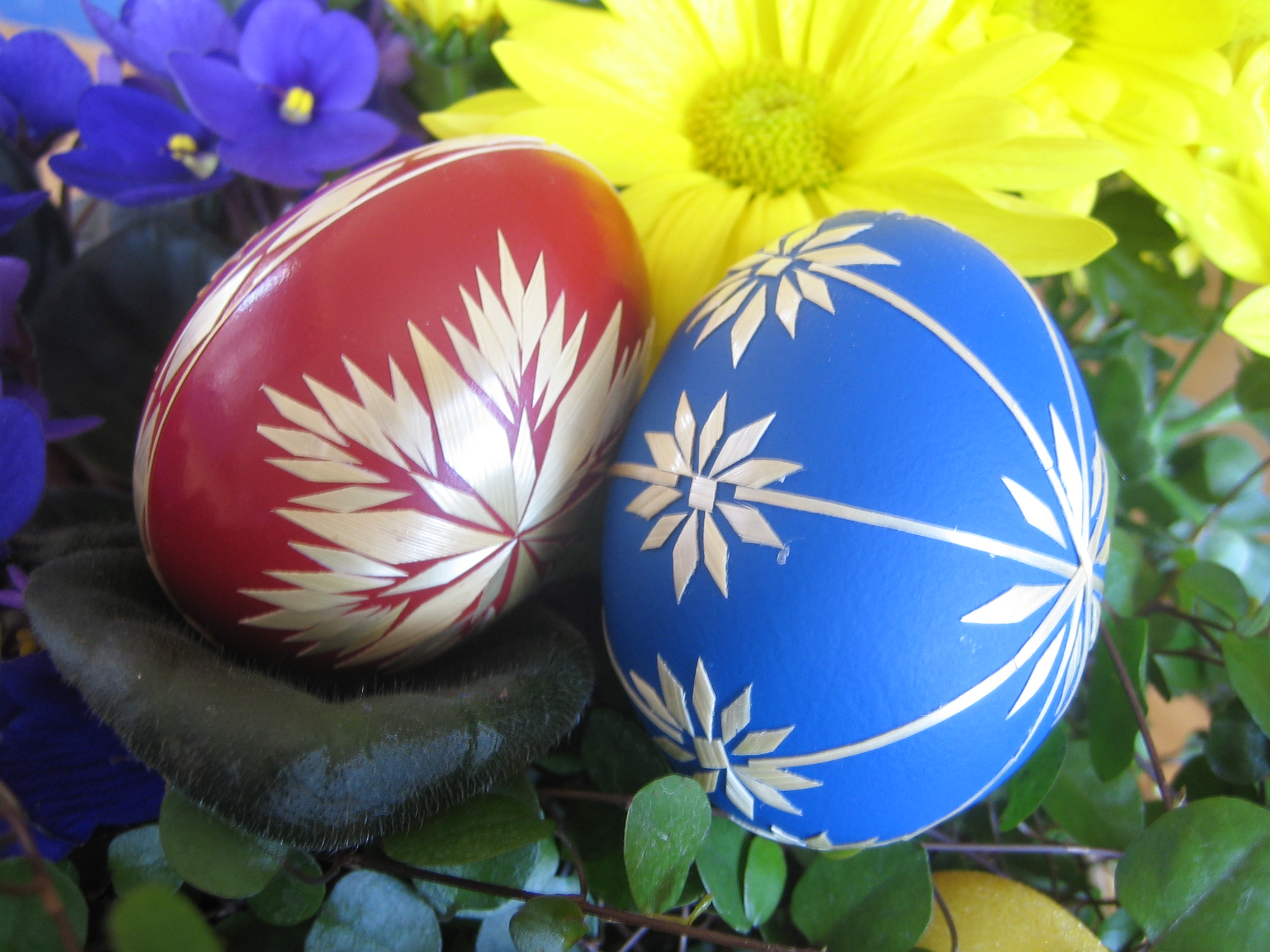
In April this year, Christians celebrate Easter, and Jewish people celebrate Passover. At school, we have discussed and learned about the traditions associated with these celebrations. We have also discussed how Easter is linked to Spring and the beginning of new life in the animal and the plant kingdoms. The egg is a symbol of Easter and a symbol of new life, so at school we learned how to decorate eggs with wax designs and food colour. We also learned about the Ukrainian practice of making Pysanky Eggs. Pysanky Eggs are beautiful with many intricate designs on them. The links below outline various interesting ways to decorate eggs for Easter. Parents, you may wish to try one of these methods with your children as a holiday activity. All children love doing art activities. The videos suggest using beeswax, but the wax from ordinary candles (small birthday candles) works as well. (Ask your son or daughter how we decorated eggs at school. Our method did not need us to melt the wax, but we did need warm water.) Food colour is available at any supermarket, and white eggs show up the food colour dyes the best. Some vinegar in the colour mixture makes the colour brighter on the eggs. Have fun decorating eggs!
This link describes Pysanky and the history of this practice.* Easter Eggs by Father Paul
*Painting Eggs The Pysanky Drop and Pull Way
*Egg Dyeing with Lace
*Rubber Band Easter Eggs   
Pysanky Eggs


Friday, 7 March 2014

             New Year Celebrations - Social Studies        
                                                 New Year in India - Vaisakhi / Ugahi / Vishu (March 15-April 15)

Part of our Social Studies curriculum is an ongoing study of Traditions and Celebrations in Canada and around the world. As there are many cultural groups in Canada, learning about other communities and their various traditions increases students' understanding of other cultures. They see that although people are the same in many ways, their traditions and cultures can be very different and interesting.

As we celebrated Chinese New Year at school, we also studied the New Year traditions of some other cultures. Groups of students researched various celebrations and traditions, and then presented their information to the class in the form of a group poster.

Below, you will see the four posters the students collaborated on and the criteria for the project.

                                 The criteria the students focused on while making their posters.

                                      Chinese (Lunar) New Year - Nian (Festival of the Year)

                                      Jewish New Year  - Rosh Hashanah (Head of the Year)

                                       Persian (Iranian) New Year - NoRuz (New Day)

                                       Japanese New Year - Oshogatsu (New Year's holidays)


The students all individually assessed various cooperative learning skills that they observed during the times their group worked together. Every group found that they still need to work on cooperating with each other - an essential skill for all students. We will continue to address this skill in class.

Next, during the group presentations, students used a checklist to assess the posters and presentations of their peers. Every group met the poster criteria - some with more success than others. As a result, one poster was rated at  Level 4-, another at 3+, and two at 3. This assessment piece really helped students to examine the posters closely, and see where they could make improvements on their next project.