Sunday, 12 October 2014

Fall, 2014

Happy Thanksgiving to my new, and old, students! I hope you are all having a wonderful long weekend with your families - enjoying good food, walking and playing outside in this glorious

weather, and thinking about how lucky you are and giving thanks for all that you have.

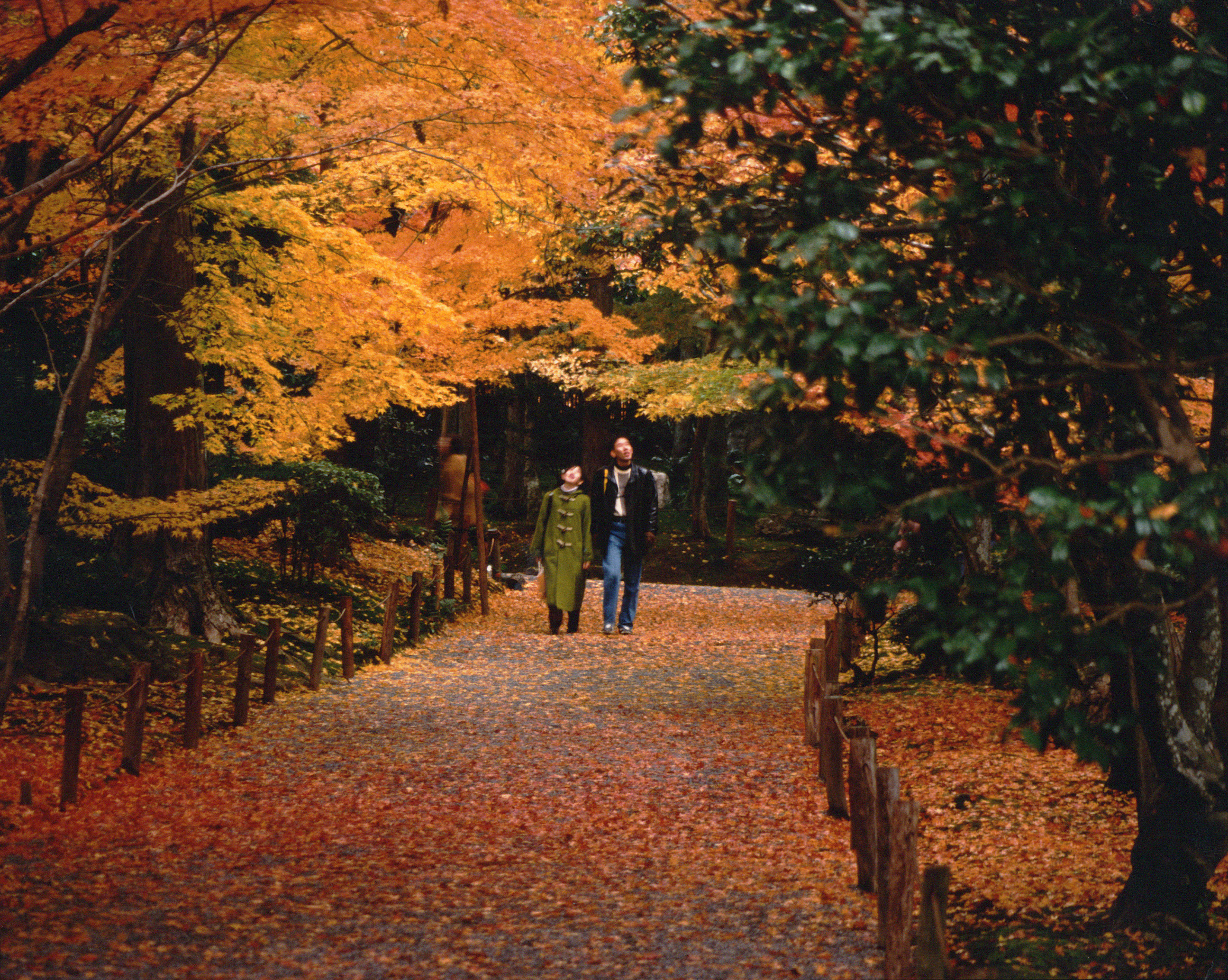
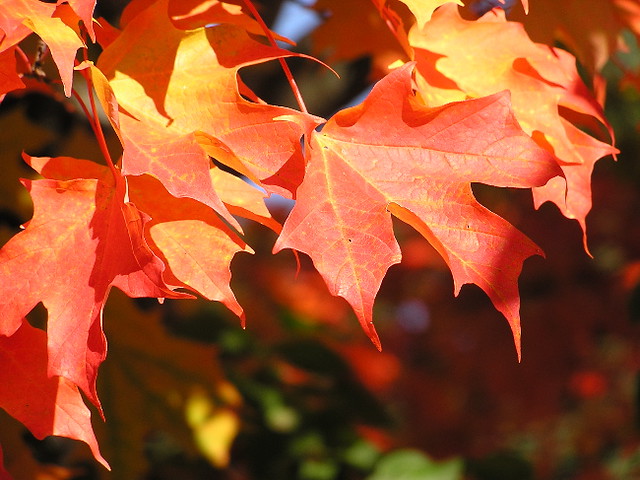
I also want to remind my students to keep collecting leaves for a school art project. They should gather colourful leaves of various sizes. We will be using them to make animals, so each student will need leaves to make a body, head, legs, arms, etc along with smaller leaves to make parts like eyes, ears, and so on. The leaves should be dry when they are collected, and then placed between two layers of paper (e.g. newspaper or old paper to be recycled). Heavy items such as books can be placed on the papers with the leaves in between. The leaves should be pressed for at least a week or two. They will then be pressed flat and ready for use at school. I will show the students various examples of animals they might like to make so that they can collect enough, and the right, leaves for their animal.


Tuesday, 29 July 2014

Summer 2014

Hello, to all of my students! I hope you have all been having a wonderful time during your holidays, playing outside, travelling, and visiting places of interest in Toronto or wherever you may be right now.

Spelling City

I have added 3 new lists to Spelling City - 2nd Grade Homophones List 1 & 2, and a list entitled, Words To Use Instead Of 'Said'. The last list will help you to make your writing more descriptive. The voice in Spelling City is computer-generated, as a consequence, the sentences in, Words To Use Instead Of 'Said' are not all spoken with the correct intonation to express the meaning intended. See if you can figure out which ones should be read with different expression. Try to write your own sentences using the words in the list. This will help you with your writing in Grade 3. (Word #11(lied) is read correctly in the list, but mispronounced in the sentence - I am unable to change that, sorry.)

Reading
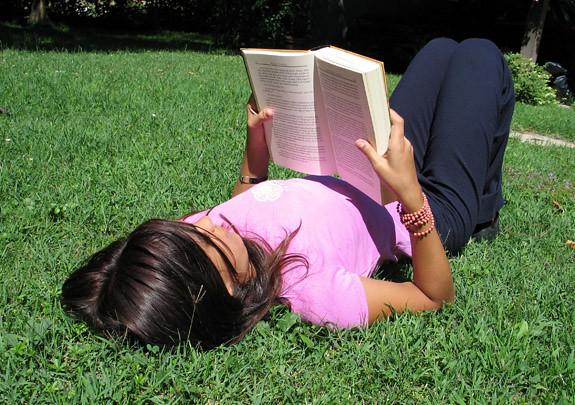
I hope you have been reading out loud and silently, every day. When you read out loud, you can hear your own voice and practise using expression to convey the meaning of the words you are reading. When you are young and start to learn how to read, you concentrate very hard on just working out the words and you aren't able to add expression. As you increase your sight word vocabulary, and develop reading strategies for solving new words, you become increasingly able to add the correct expression to your reading to show that you clearly understand what you are reading from your intonation and voice inflections.
Below, you will find readings of some popular children's picture books. Try to go to the library and get copies of the books. Listen to the presenter read the story with the correct expression and phrasing, then try to read the story yourself with expression and fluency. You should reread the story MANY times. You could listen to the presenter read one page, stop the video, then read that page out loud yourself to ensure you are conveying the meaning of the words. Not only is this fun to do, but you will improve your reading skills and be ready for Grade 3!

* There's An Alligator Under My Bed by Mercer Mayer, click here.
* The Very Hungry Caterpillar by Eric Carle, click here.
* The PaperBag Princess by Robert Munsch, click here.
* Thomas' Snowsuit by Robert Munsch, click here.
* Sideways Stories From Wayside School by Louis Sachar, click here. (This is a more difficult chapter book. Only part of it is read out loud on the video, but I read this funny novel to you at school, and being familiar with the stories will help you to read the book independently.)
There are many books read on YouTube and I suggest you find some you like, get copies of the books from the library and work on improving your oral reading.

Just listening to stories also improves your ability to speak and read English. Below I have listed just one fairy tale, but from that resource you can find many more fairy tales on YouTube.
The Frog Prince, click here.

I will post more resources and ideas for you during the rest of the summer. Don't forget to check in every now and then. Bye for now.
Mrs. Kuld

Saturday, 26 April 2014

Grade 2 Science


In Science this year we have studied many interesting topics, and have a few still to cover. We have learned about -
Growth and Change in Animals
Properties of Liquids and Solids   (partially covered)
Air and Water in the Environment,
and will be learning about
Movement (Simple Machines and Mechanisms).

The following websites have educational resources - videos, interactive games, and other multi-media information about many of the topics we have, or will, cover in Science this year. I suggest students review/learn about only one topic at a time, then write the date, title, and three things (or more) they learned from the resource. (Writing or drawing about what you are learning, helps you to understand and consolidate that learning so that it becomes a part of your background knowledge. This knowledge can be used to help you understand other information and make connections between all sorts of situations and events in your life.) Students could also write down any questions the resource brought to mind, and then research these questions on the internet to further develop their researching skills and understanding of the topic.
My purpose for suggesting these sites is not to have my students whip through the resources in a superficial manner, but actually develop meaningful learning skills where information is processed and thought about, not merely glanced at, or sampled, and then considered understood without any further thinking or questioning.
Enjoy reviewing and learning more about Grade 2 Science by clicking here for Link to Learning, and here for Simple and Compound Machines.

Friday, 18 April 2014

Celebrations in April

Social Studies

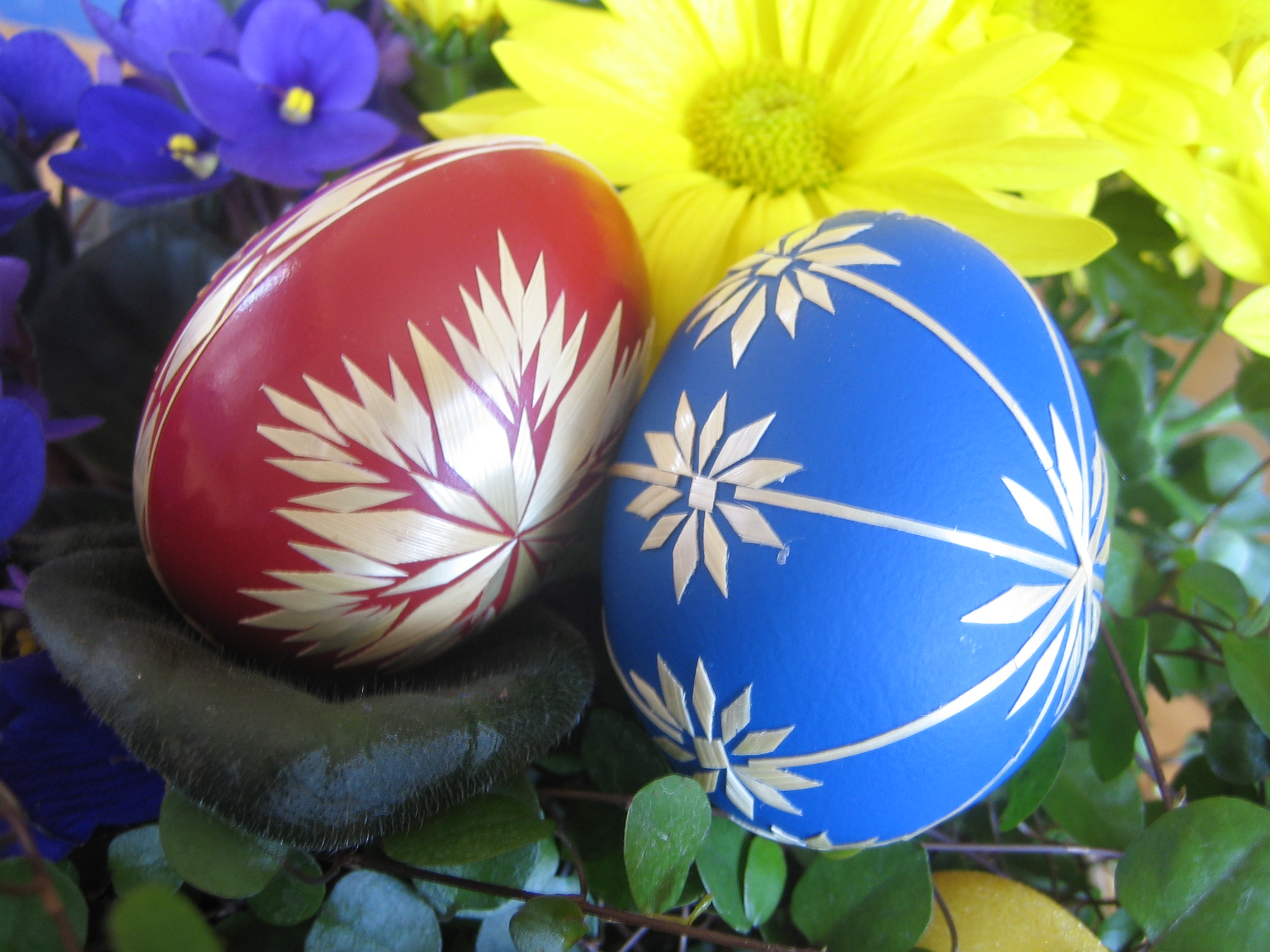
In April this year, Christians celebrate Easter, and Jewish people celebrate Passover. At school, we have discussed and learned about the traditions associated with these celebrations. We have also discussed how Easter is linked to Spring and the beginning of new life in the animal and the plant kingdoms. The egg is a symbol of Easter and a symbol of new life, so at school we learned how to decorate eggs with wax designs and food colour. We also learned about the Ukrainian practice of making Pysanky Eggs. Pysanky Eggs are beautiful with many intricate designs on them. The links below outline various interesting ways to decorate eggs for Easter. Parents, you may wish to try one of these methods with your children as a holiday activity. All children love doing art activities. The videos suggest using beeswax, but the wax from ordinary candles (small birthday candles) works as well. (Ask your son or daughter how we decorated eggs at school. Our method did not need us to melt the wax, but we did need warm water.) Food colour is available at any supermarket, and white eggs show up the food colour dyes the best. Some vinegar in the colour mixture makes the colour brighter on the eggs. Have fun decorating eggs!
This link describes Pysanky and the history of this practice.* Easter Eggs by Father Paul
*Painting Eggs The Pysanky Drop and Pull Way
*Egg Dyeing with Lace
*Rubber Band Easter Eggs   
Pysanky Eggs


Sunday, 23 March 2014

A Great Site For Parents

Here is a wonderful site for parents who would like to continue their education. Coursera is a site that offers FREE, online courses from various universties around the world. This education platform provides access to world-class education, in many languages. This is educational equity! Check it out! You may be inspired to learn something new, improve your knowledge about an area of interest, or study something that helps you to further your career or enrich your life. Click here for the link.

Monday, 17 March 2014


       Keyboard Practice  


As you will be using computers for writing as well as researching, you will need to improve your keyboarding skills. The site below helps you learn where the letters are on the keyboard, and increase your typing speed. This will make it easier for you to write stories and others texts on the computer. Try to work through the levels, and go back and practise as many times as you like.


Click here to go to the site.

Friday, 7 March 2014

             New Year Celebrations - Social Studies        
                                                 New Year in India - Vaisakhi / Ugahi / Vishu (March 15-April 15)

Part of our Social Studies curriculum is an ongoing study of Traditions and Celebrations in Canada and around the world. As there are many cultural groups in Canada, learning about other communities and their various traditions increases students' understanding of other cultures. They see that although people are the same in many ways, their traditions and cultures can be very different and interesting.

As we celebrated Chinese New Year at school, we also studied the New Year traditions of some other cultures. Groups of students researched various celebrations and traditions, and then presented their information to the class in the form of a group poster.

Below, you will see the four posters the students collaborated on and the criteria for the project.

                                 The criteria the students focused on while making their posters.

                                      Chinese (Lunar) New Year - Nian (Festival of the Year)

                                      Jewish New Year  - Rosh Hashanah (Head of the Year)

                                       Persian (Iranian) New Year - NoRuz (New Day)

                                       Japanese New Year - Oshogatsu (New Year's holidays)


The students all individually assessed various cooperative learning skills that they observed during the times their group worked together. Every group found that they still need to work on cooperating with each other - an essential skill for all students. We will continue to address this skill in class.

Next, during the group presentations, students used a checklist to assess the posters and presentations of their peers. Every group met the poster criteria - some with more success than others. As a result, one poster was rated at  Level 4-, another at 3+, and two at 3. This assessment piece really helped students to examine the posters closely, and see where they could make improvements on their next project.